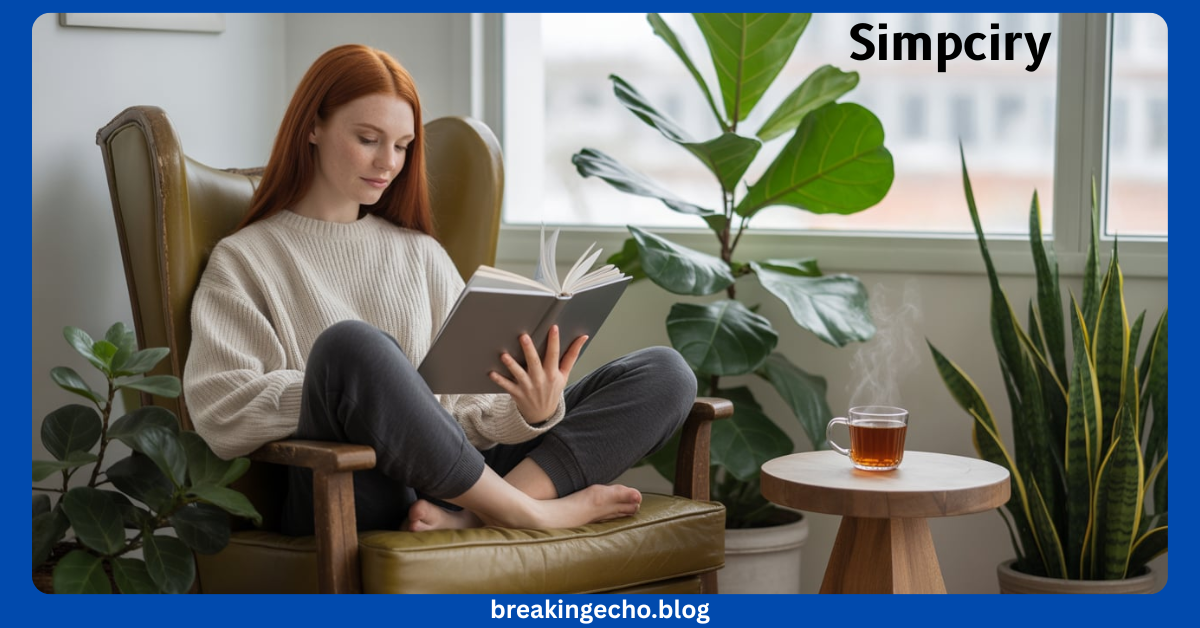
Today’s life seems to be quick, noisy, and full of distractions. Everywhere we look, people are chasing more—more money, more things, more attention. But often, more only brings more stress. That’s why many people are turning to simpciry. It’s about taking your time, concentrating on the important things, and choosing peace over pressure.
In this article, we’ll explore the idea of simpciry in everyday life. We’ll see how it can improve your health, your happiness, and even your work. You’ll also learn small steps to bring simpciry into your home, your mind, and your daily habits.
Let’s dive in and discover why simpciry may be the missing key to a calmer, richer life.
What Does Simpciry Really Mean?
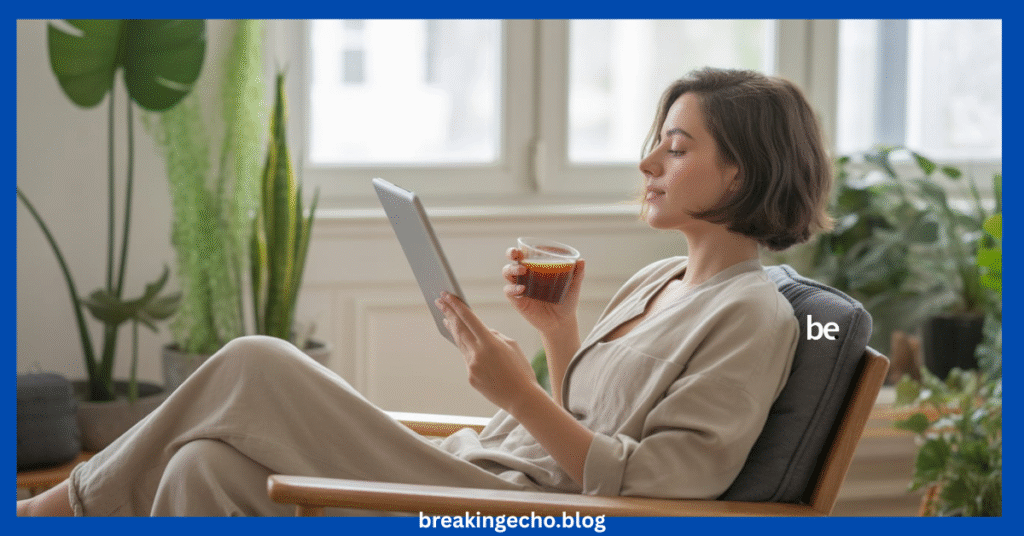
At its heart, simpciry means removing the extra noise and focusing on what’s important. It’s like clearing out a messy closet. You will finally be able to see what you truly enjoy once the clutter is gone.
Simpciry doesn’t mean living without joy, comfort, or progress. Instead, it means choosing the right things that bring true happiness. A simple meal with loved ones may feel more special than an expensive dinner at a crowded restaurant. Reading a book may be more calming than scrolling endlessly on social media.
When you embrace simpciry, you start to value experiences over objects, peace over pressure, and purpose over busyness. It’s not about having less—it’s about making room for what matters most.
Why Simpciry Matters in Today’s World
The modern world tells us to “hustle harder” and “buy more.” However, this constant push can lead to stress, burnout, and even loneliness. Many people are tired of running in circles. That’s why simpciry feels so refreshing—it offers a way out of the chaos.
Studies show that too much choice and clutter can overwhelm the brain. People who live with simpciry often report less anxiety, better focus, and greater satisfaction with life. When your environment is calm, your mind tends to feel calm as well.
Simpciry also saves time and money. When you stop chasing every new thing, you have more resources to enjoy the things that truly count. You don’t have to give up everything; all you have to do is make the right choices.
Simpciry in Your Home
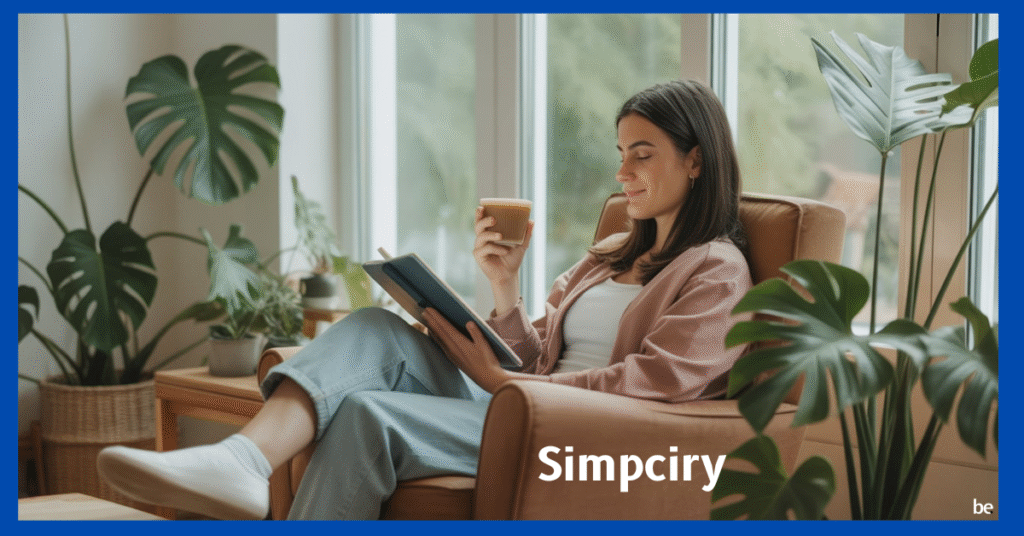
A cluttered home creates a cluttered mind. Untidy surroundings make it more difficult to unwind. That’s why simpciry starts at home.
Begin small. Clear one drawer, one shelf, or one corner. Ask yourself: “Do I really use this? Does it bring me joy?” It might be time to let it go if the response is negative.
Keep only items that serve a purpose or make you happy. For example, instead of a crowded closet full of clothes you never wear, keep a small collection of outfits you truly love. Instead of filling your kitchen with gadgets, stick to the tools you actually use.
A home built on simpciry feels open, peaceful, and welcoming. It is not about rooms that are empty; rather, it is about meaning-filled rooms.
Simpciry in Your Mind
Simpciry isn’t just about your space—it’s also about your thoughts. Many of us carry mental clutter. We overthink, worry about the future, or replay old mistakes.
To practice mental simpciry, try mindfulness. This entails keeping an open mind and concentrating on the here and now. Simple habits, such as deep breathing, journaling, or taking short walks, can help clear the mind.
Limit your digital noise, too. Constant scrolling and notifications fill your brain with unnecessary stress. Try setting phone-free hours during the day. Use that time to read, rest, or spend time with loved ones.
When your mind is simple and calm, you can make better decisions, feel more creative, and enjoy life more fully.
Simpciry and Money
Many individuals think that having more money automatically makes you happier. But that’s not always true. Beyond meeting basic needs, extra money doesn’t guarantee peace.
Simpciry with money means being mindful about how you earn, spend, and save. Instead of chasing every new gadget or trend, focus on what truly adds value. Experiences like travel, hobbies, or family activities often bring more joy than material possessions.
Budgeting with simpciry is easier too. When you spend less on extras, you free up money for savings, freedom, and security. The goal isn’t to live with nothing—it’s to live without waste.
Financial simpciry gives you peace of mind and the freedom to focus on what matters most.
Simpciry in Work and Productivity
Work can feel overwhelming when tasks accumulate and pressure mounts. But simpciry can transform how you handle your day.
Instead of juggling ten at once, start by concentrating on one main task at a time. Studies show multitasking lowers quality and increases stress. Simpciry means giving your full attention to one thing at a time.
Declutter your workspace too. A clean desk helps your brain stay focused. Use simple systems like to-do lists, time blocks, or the “two-minute rule” (if it takes under two minutes, do it now).
When you approach work with simpciry, you often achieve more in less time—and with less stress.
Simpciry in Relationships
Strong relationships bring happiness, but many of us stretch ourselves thin with too many social obligations. Simpciry helps us focus on quality over quantity.
Instead of saying yes to every event, spend more time with people who truly matter. Deep conversations, shared meals, and quiet moments often mean more than big gatherings.
Simpciry in relationships also means clear communication. Be honest, listen attentively, and avoid complicating things with unnecessary drama. Small acts of kindness—a note, a hug, or a phone call—can keep bonds strong without extra fuss.
When you choose simpciry in relationships, you build trust, love, and joy that lasts.
Simpciry and Health
Health doesn’t always need complex plans or strict rules. Simpciry often works best. Eat real foods, move your body daily, get enough rest, and drink plenty of water. That’s the core of healthy living.
Instead of chasing evFocus on healthy meals that you enjoy eating rather than following every new diet trend. Walking, stretching, or dancing in your living room can be just as effective as joining an expensive gym membership.
Sleep is another area where simpciry shines. Turn off screens early, keep your room calm, and rest deeply. A simple routine often leads to better energy and mood.
Simpciry in health means caring for your body in ways that are sustainable and stress-free.
How to Start Living with Simpciry
Starting with simpciry doesn’t mean you need to change everything at once. Begin with small steps.
- Declutter one space in your home.
- Choose one daily habit to simplify, like meal planning or your morning routine.
- Limit screen time and spend more time outdoors.
- Practice gratitude for what you already have.
Each small change adds up over time. Before long, you’ll notice less stress, more clarity, and greater joy in your life.
The Long-Term Benefits of Simpciry
When simpciry becomes a lifestyle, it creates lasting change. You’ll likely find yourself:
- Feeling calmer and less rushed.
- Saving more money and spending wisely.
- Building stronger relationships.
- Enjoying better health and energy.
- Having more time for hobbies and passions.
Most importantly, simpciry helps you discover what really makes life meaningful. You begin to value what you currently have rather than striving for “more.” That shift alone can transform your entire outlook.
FAQs About Simpciry
Not exactly. Minimalism often emphasizes owning fewer possessions. Simpciry is broader—it’s about creating ease in your home, mind, money, health, and relationships.
No. Simpciry isn’t about living with nothing. It all comes down to keeping what is important and getting rid of what isn’t.
Yes. By clearing clutter and focusing on fewer tasks, you reduce overwhelm. Simpciry creates mental space and peace.
Start by prioritizing one main task at a time, decluttering your desk, and setting boundaries for meetings and emails.
Most people find it does. By removing distractions, you make space for joy, gratitude, and meaningful experiences.
Absolutely. In fact, families often benefit most. Simple routines, shared meals, and clear spaces can make family life calmer and closer.
Conclusion: Choosing Simpciry Every Day
Simpciry isn’t about perfection. It’s not about having the cleanest home, the smallest wardrobe, or the most organized life. It’s about making choices that bring peace, clarity, and joy.
When you choose simpciry, you give yourself the freedom to focus on what truly matters—love, health, purpose, and happiness. You will constantly be pulled in different directions by the environment. But simpciry reminds you to slow down, breathe, and enjoy the beauty of “less but better.”
So today, take one small step toward simpciry. Whether it’s clearing a drawer, turning off your phone, or sharing a simple meal, you’ll feel the difference. And if you take those small steps over time, they can change your entire life.