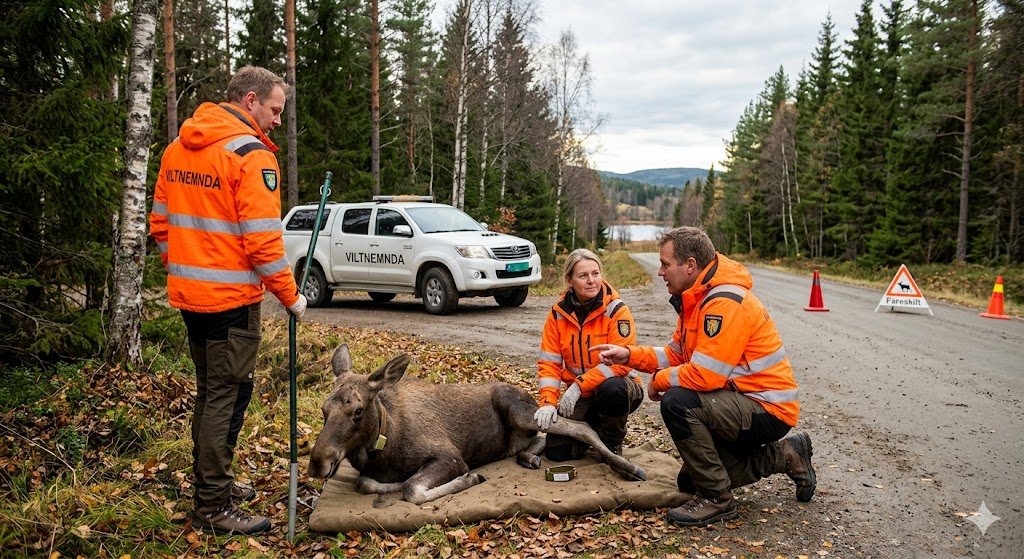
The viltnemnda is the official group responsible for looking after the wild animals in your local neighborhood. When a deer wanders onto a busy road or a moose gets too close to a house, these special experts step in to help. In Norway, they are known as the local heroes for wildlife and nature management. Think of them as a helpful bridge between humans and the natural world. Their main job is to make sure that both people and animals can live together safely and happily.
The viltnemnda plays a very important role in every local municipality. They don’t just wait for problems to happen; they plan to keep nature balanced. Whether it is managing hunting seasons or helping an injured animal, these experts know exactly what to do. In this article, we will look at how they work, why they are so important, and what you should do if you ever need to contact them. Learning about them helps us all become better neighbors to the creatures in our forests.
Why Every Town Needs a Viltnemnda
Every town has different types of nature. Some have high mountains, while others have thick forests or flat fields. Because of this, we need local experts who understand the specific animals in their area. The viltnemnda is made up of people who live in the community and know the land very well. They understand which areas are dangerous for animals and where the best habitats are located. This local knowledge is much better than having one big office far away, trying to make all the rules.
Without a dedicated viltnemnda, wildlife management would be very messy. Imagine if nobody were in charge of counting how many deer live in the woods. There might be too many, which leads to more car accidents and less food for the animals. Or, there might be too few, and we could lose a species forever. These boards work hard to find the perfect middle ground. They use science and years of experience to make decisions that protect the environment for a long time.
How the Viltnemnda Helps Injured Animals
One of the most common reasons people hear about the viltnemnda is during an emergency. If a car hits an animal, it is a very sad and scary situation. The drivers are often shaken up, and the animal might be hurt and hiding in the brush. This is when the viltnemnda springs into action. They have special training to track down injured animals safely. They use dogs with great noses to find where the animal went, so it does not have to suffer for a long time.
It is important to remember that these team members are professionals. You should never try to approach a wounded wild animal yourself because they can be very dangerous when they are scared. Instead, calling the police or the local viltnemnda is the right move. They have the tools and the skills to handle the situation humanely. Their goal is always to minimize pain and ensure that the animal is treated with respect, even in a very tough situation.
Managing the Hunting Season Fairly
Hunting is a big part of life for many people, but it has to be done correctly. The viltnemnda is responsible for setting the rules for hunting in their specific area. They decide how many animals can be hunted each year based on how many are currently living in the forest. This is called a “quota.” By setting these limits, the viltnemnda ensures that the animal population stays healthy and strong for the next generation of nature lovers to enjoy.
They also help organize the hunting teams. They make sure everyone follows the laws and stays safe while in the woods. By working closely with local hunters, the viltnemnda gathers a lot of great data. Hunters often report what they see, which helps the board understand if the animals are healthy or if there are any new diseases spreading. It is a big team effort that keeps the ecosystem working like a well-oiled machine throughout the entire year.
Keeping Our Roads Safe for Everyone
Road safety is a huge priority for the viltnemnda. In many places, animals need to cross roads to find food or water. This creates a risk for drivers, especially during the dark winter months. The viltnemnda looks at data to find “hotspots” where accidents happen most often. They might suggest putting up warning signs or even building special fences to guide animals toward safer crossing spots. Their work saves human lives just as much as it saves animal lives.
If you are driving and see a sign for wildlife, it is usually because the viltnemnda identified that spot as a high-risk area. They work with road authorities to make sure the brush is cleared away from the side of the road. This gives drivers a better view so they can see an animal before it steps onto the pavement. By managing the landscape, the viltnemnda reduces the number of collisions, which keeps insurance costs down and keeps our families safe while traveling.
Protecting Rare and Endangered Species
Not every animal is a deer or a moose. Sometimes, the viltnemnda has to look after very rare creatures that are at risk of disappearing. They keep a close watch on protected species to make sure new buildings or roads do not destroy their homes. If a rare bird is nesting in a certain tree, the viltnemnda might advise the town to pause construction nearby. This helps maintain the “biodiversity” of our world, which means having many different types of life.
Protecting these animals is a legal duty, but for the members of the viltnemnda, it is also a passion. They believe that every creature has a right to exist. They often work with schools or community groups to teach people about these rare animals. When we know more about a special owl or a rare lynx, we are more likely to want to protect it. The viltnemnda acts as the voice for these animals that cannot speak for themselves in our local government meetings.
Dealing with “Problem” Animals in Town
Sometimes, wild animals get a little too comfortable around humans. A bear might start looking through trash cans, or a fox might decide to live under someone’s porch. This can be annoying or even frightening for homeowners. The viltnemnda provides advice on how to handle these visitors. Usually, the best way is to remove whatever is attracting the animal, like birdseed or open garbage bins. They teach us how to “wild-proof” our homes.
If an animal becomes a real threat to safety, the viltnemnda has the authority to take more serious steps. They always try the gentlest methods first, like scaring the animal away with loud noises. Moving an animal is sometimes possible, but it is very difficult. The viltnemnda has to make the hard choices when an animal’s behavior cannot be changed. Their priority is always public safety, but they always look for the most ethical solution possible to solve the conflict.
Education and Community Outreach
The viltnemnda spends a lot of time talking to the public. They believe that education is the best way to prevent problems before they start. By visiting schools or writing articles for the local paper, they explain how to behave in the woods. For example, they remind dog owners to keep their pets on a leash during the spring. This is when baby animals are born and are very vulnerable. Small reminders from the viltnemnda make a big difference for wildlife.
When people understand why the rules exist, they are much happier to follow them. The viltnemnda explains the “why” behind hunting quotas and road signs. This builds trust between the community and the authorities. If you have a question about the animals in your backyard, your local viltnemnda is usually happy to help. They are a great resource for anyone who wants to learn more about the beautiful nature that surrounds our homes and cities.
How Members are Chosen for the Board
You might wonder who actually gets to be on the viltnemnda. Usually, these are people appointed by the local municipal council. They are chosen because they have a lot of experience with nature, farming, or hunting. It is important to have a mix of different perspectives on the board. This ensures that the decisions are fair and take everyone’s needs into account. The members of the viltnemnda are often volunteers who want to give back to their community.
Being a member requires a lot of dedication. They have to be ready to answer calls at odd hours, like in the middle of a rainy night when a moose is hit by a car. They also have to attend meetings to discuss land use and hunting plans. The viltnemnda is a serious responsibility that requires a cool head and a warm heart. We are lucky to have people willing to step up and take on these roles to keep our natural heritage safe for everyone.
The Future of Wildlife Management
As our world changes, the work of the viltnemnda becomes even more important. Climate change can change where animals live and what they eat. New houses and roads are being built all the time, which leaves less room for nature. The viltnemnda has to look into the future and plan for these changes. They use new technology, like GPS collars and trail cameras, to track animal movements more accurately than ever before. This helps them make even better decisions.
The goal for the future is to create “green corridors.” These are paths of trees and fields that allow animals to move safely between different areas without crossing busy roads. The viltnemnda works with urban planners to make sure these paths are included in new city designs. By thinking ahead, the viltnemnda ensures that our grandkids will still be able to see tracks in the snow or hear the call of a wild bird in the distance.
Practical Tips: What to Do in a Wildlife Emergency
If you are ever involved in an accident with a wild animal, the first thing to do is stay calm. Move your car to a safe spot and turn on your hazard lights. You must call the police at 02800 (in Norway) or the local emergency number. They will then contact the viltnemnda for you. It is very helpful if you can mark the spot where the accident happened. You can use a plastic bag or a piece of ribbon on a nearby tree to show exactly where the animal ran off.
Never try to follow a wounded animal into the woods yourself. You might scare it further away, making it harder for the viltnemnda to find it. Also, an injured animal can be very aggressive if it feels cornered. By staying back and marking the location, you are doing the best thing to help the professionals. Your quick thinking and cooperation allow the viltnemnda to do their job quickly and effectively, which is the best outcome for everyone involved.
FAQs
1. Who pays for the work of the viltnemnda? The local municipality usually covers the costs for the board. This is because managing wildlife is considered a public service that benefits everyone in the community by keeping roads safe and nature healthy.
2. Can I join the viltnemnda? Members are typically appointed by the local government. If you have a background in biology, hunting, or forestry, you can let your local council know you are interested in serving when a spot becomes available.
3. Is the viltnemnda the same as the police? No, they are different. The police handle the legal and traffic side of an accident, while the viltnemnda handles the actual animal. They often work together as a team during emergencies.
4. Does the viltnemnda only deal with big animals like moose? While they spend a lot of time on big animals because they pose the most risk to traffic, they are responsible for all wildlife. They care about birds, small mammals, and even rare reptiles in their area.
5. How do I find the contact info for my local board? You can usually find the phone number on your local municipality’s website. However, in an emergency like a car crash, you should always call the police first, and they will bring in the experts.
6. Do they kill every animal they find? Absolutely not! Their first goal is always to keep animals healthy and in the wild. They only intervene when an animal is too sick or injured to recover, or if it is a major danger to people.
Conclusion
The viltnemnda is an essential part of our society that often works behind the scenes. They balance the needs of humans with the needs of the wild, ensuring that our beautiful landscapes remain full of life. From clearing roads to saving injured deer, their impact is felt every single day. By supporting their work and following their advice, we can all contribute to a safer and more respectful relationship with the animals that share our world.
READ MORE: Highlights of Nummazaki